

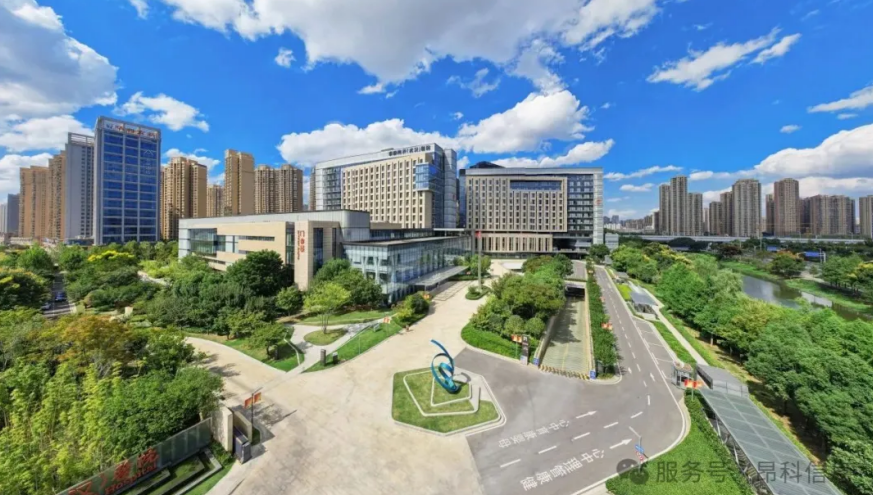
In the current era where technological waves are sweeping across all industries, smart healthcare is reshaping the traditional medical model with an unstoppable momentum. Taikang Tongji (Wuhan) Hospital, as a high-quality non-profit general hospital wholly established by the world 500-strong enterprise Taikang Insurance Group and deeply managed in collaboration with Tongji Hospital of Huazhong University of Science and Technology, has always been at the forefront of medical innovation.
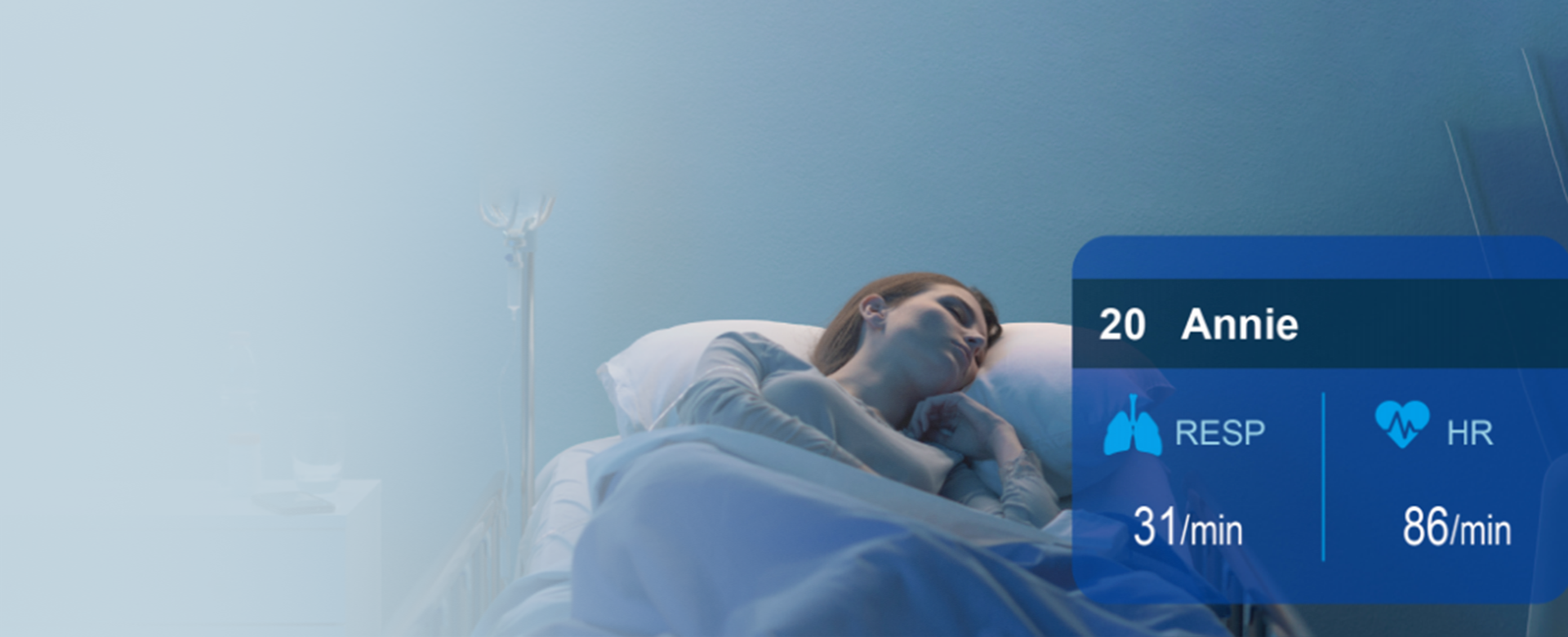
In order to provide patients with a more convenient, efficient and humanistic medical experience, the hospital actively embraces technological changes and introduces the Onkyo intelligent ward overall solution, allowing the brilliance of intelligent healthcare to illuminate the entire treatment process.
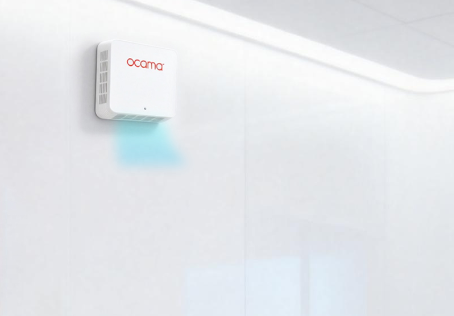
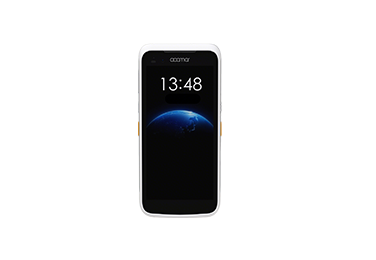
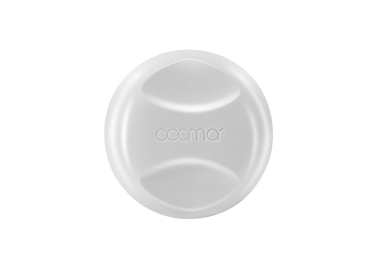
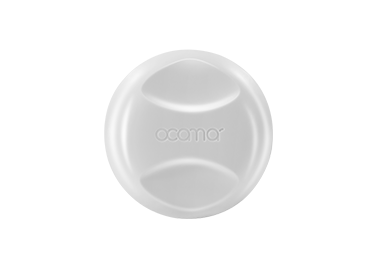
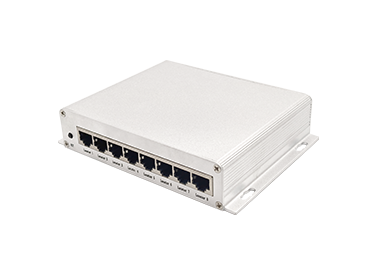
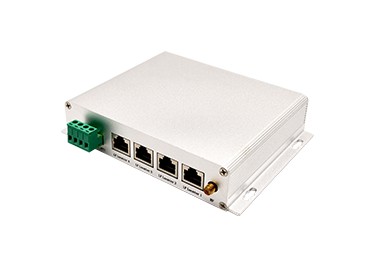
The project includes a series of intelligent products such as the nursing station nursing interaction large screen, the nursing station call host, the intelligent corridor screen, the intelligent bedside screen, the intelligent bedside monitor screen, the bathroom call system and the wireless infusion monitoring system. It builds an all-round intelligent medical service network from diagnosis and treatment collaboration to patient care.
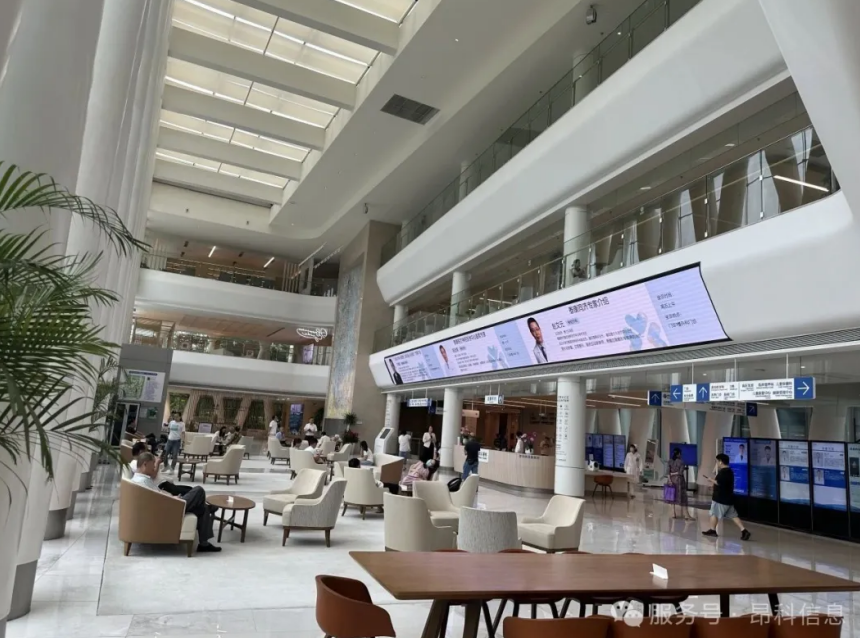
Taikang Tongji (Wuhan) Hospital ( ABOUT AUTUMN )
Taikang Tongji (Wuhan) Hospital is a high-quality, non-profit general hospital that was fully invested by the world 500-strong enterprise Taikang Insurance Group and jointly managed with Tongji Hospital Affiliated to Huazhong University of Science and Technology. It was built in accordance with the standards of a Grade III-A hospital. Taikang Tongji opened for business in February 2020 and became the Taikang Clinical College of Wuhan University on June 18, 2025. It is a designated hospital for off-site medical treatment under the basic medical insurance of Wuhan University, basic medical insurance (including maternity insurance) and outpatient chronic diseases and special diseases in Wuhan, as well as a designated hospital for basic medical insurance at the provincial level and a commercial insurance designated hospital in Hubei Province.
Tiankang Tongji is positioned as a large-scale comprehensive medical institution integrating medical care, education and research in the central region of Taikang. It operates in a manner of "strong specialties + comprehensive care", combining "inclusive healthcare" with "specialized medical care". The aim is to build a longevity hospital focusing on medical leadership, technological innovation and humanistic care, with characteristics such as health management, chronic disease management and geriatric medicine. It strives to establish strategic disciplines, key disciplines and distinctive specialties, continuously exploring new models of "medical insurance integration and medical care integration", providing patients and clients with multi-level health management and medical care services, and allowing them to experience "a different hospital, a different experience".
01) AUTUMN Intelligent interaction makes information readily accessible.
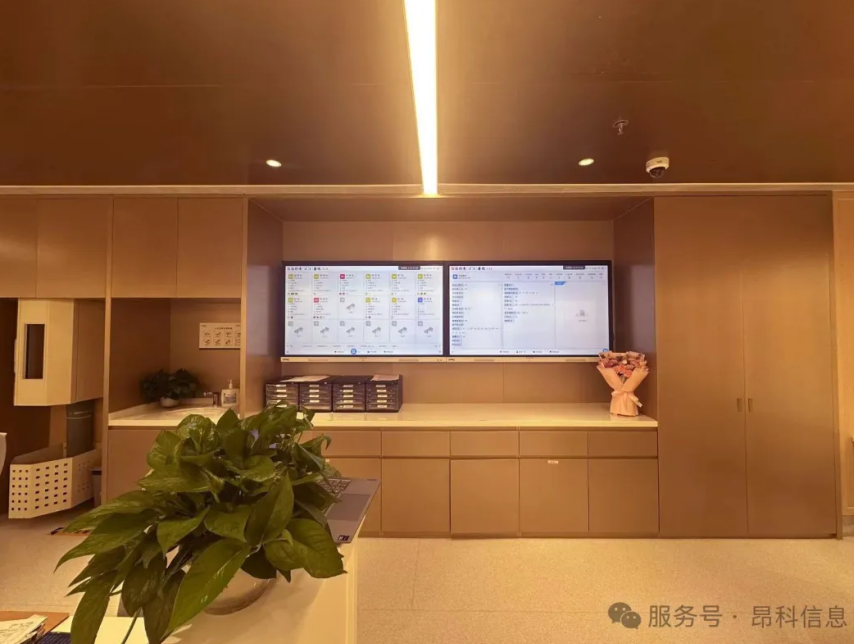
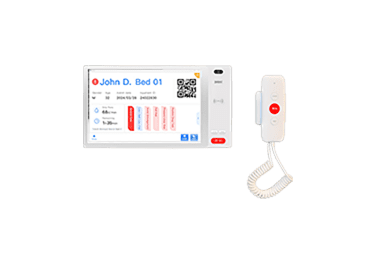
Entering the ward area of Taikang Tongji (Wuhan) Hospital, the "intelligent dual hub" composed of the nursing interaction large screen at the nurse station and the nurse station call console stands out particularly. These two components do not operate independently; instead, they achieve deep collaboration through the Onkyo intelligent ward system, becoming the core hub that integrates all key information in the entire ward and drives efficient nursing, serving as the "intelligent assistant" for nurses' daily work.
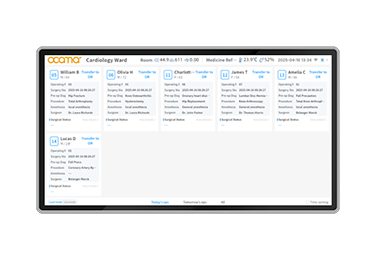
The nursing station interactive large screen, as the "nerve center" for clinical data processing, presents multi-dimensional data such as nursing boards, integrated IoT boards, patient information cards, doctor and nurse duty schedules, real-time task reminders, etc. with a natural and smooth operation experience and an intuitive and friendly interface design. By connecting to the hospital HIS system, the electronic whiteboard can automatically synchronize the pending nursing tasks in the ward, update information such as the number of inpatients, transfer and admission dynamics, special nursing bed precautions, and surgical arrangements in real time. It also supports the ward to customize the displayed content according to actual needs, completely eliminating the cumbersome mode of traditional handwritten records and repeated verification.
The integrated IoT dashboard integrates the IoT data for infusion monitoring within the ward. In case of any abnormal infusion drip rate or when the infusion is about to end, the interface will automatically display an alert message, making the nursing management more precise and the response more rapid. The patient overview table presented in card form clearly indicates the critical condition level, surgical status, allergy history and nursing level of each patient, helping medical staff quickly grasp the overall situation and significantly improving work efficiency.
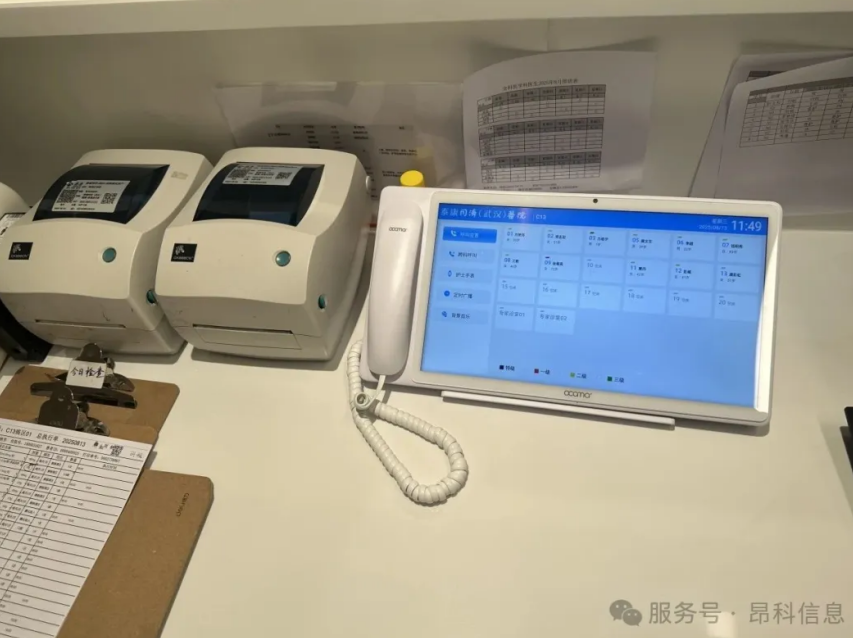
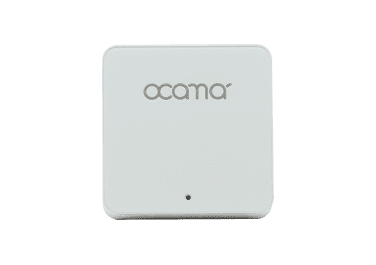
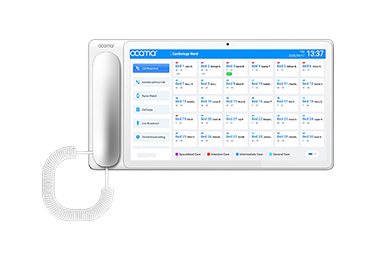
The nurse station call console, which is closely linked to it, serves as the "dispatch center" for nurse-patient communication and information flow. It is interconnected with various terminals such as the intelligent bedside screen, the intelligent bedside display screen, and the bathroom call buttons, and deeply integrates hospitalization information, bedside electronic card data, and the records of the ward call system to achieve seamless connection of all process information. Compared to the cumbersome process in the traditional mode where one needs to query and manually transcribe one by one on the computer, now through the call console, key information such as surgical arrangements, examination reservations, and special reminders for patients can be retrieved with just one click. This not only avoids human record errors but also makes the information flow in each link of the ward efficient and accurate.
The nurse station call console is equipped with a "one-click access" query function. All key information about the patients in the ward, including their basic conditions, nursing levels, and special needs, can be viewed on one screen. This significantly simplifies the verification process and provides a solid foundation for the orderly conduct of nursing work. The two systems work together, making information flow more efficient and communication between nurses and patients smoother. Truly achieving the service concept of "returning time to nurses and nurses to patients".
02) AUTUMN Intelligent terminals close to patients: Smart bedside screen and smart bedside monitor
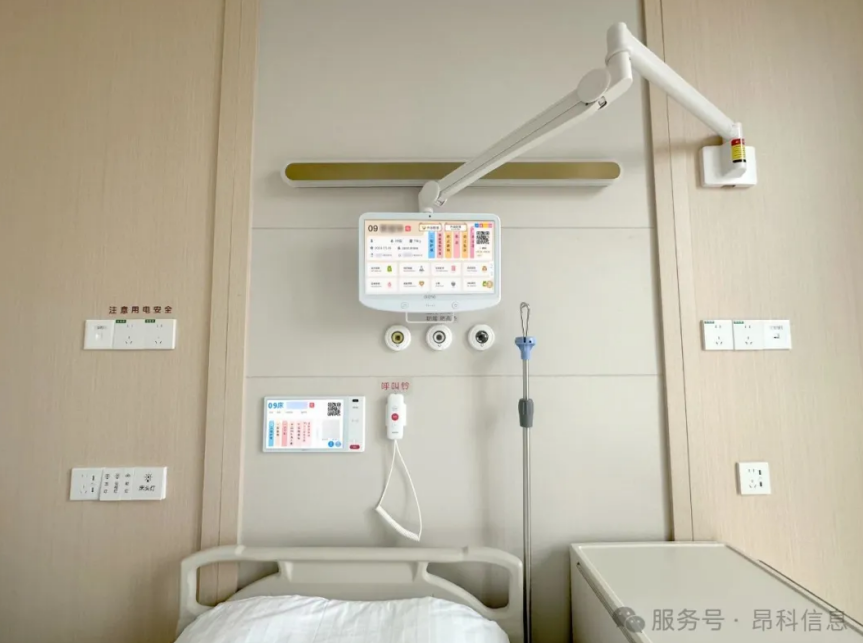
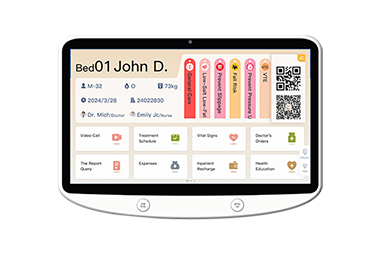
In the hospital ward setting, the intelligent bedside screen and the intelligent bedside monitor have become key nodes for extending the "dual core" service. They play the role of a "multi-functional service desk" in patient care. The electronic bedside card not only displays the patient's basic information but also clearly indicates the names of the responsible doctor, nurse, dietary restrictions, and allergy history, making the medical information more transparent.
Patients can access their examination results, surgical arrangements and other medical treatment information at any time through the bedside screen, without having to repeatedly ask the medical staff. The bedside screen focuses on personalized services, providing functions such as scanning for ordering meals and intelligent push notifications of health education videos, allowing patients to enjoy a more proactive and convenient service experience during their hospital stay.
The efficient call system has established an "ultra-fast channel" for communication between nurses and patients. Relying on the real-time audio and video linkage between the nurse station's video intercom console and the bedside interaction screen, patients no longer need to strain to press the traditional call bell. They can simply click on the bedside screen to initiate a call and achieve "face-to-face" communication; nurses can also remotely view the situation in the ward through the console and promptly respond to needs, significantly reducing the frequency of visits to the ward. This remote interaction mode is particularly advantageous in special periods, as it not only meets the remote nursing needs of patients in isolation wards but also enables patients to constantly feel the warmth of medical care.
03) AUTUMN Connect the information nodes: Smart entrance screen and smart corridor screen
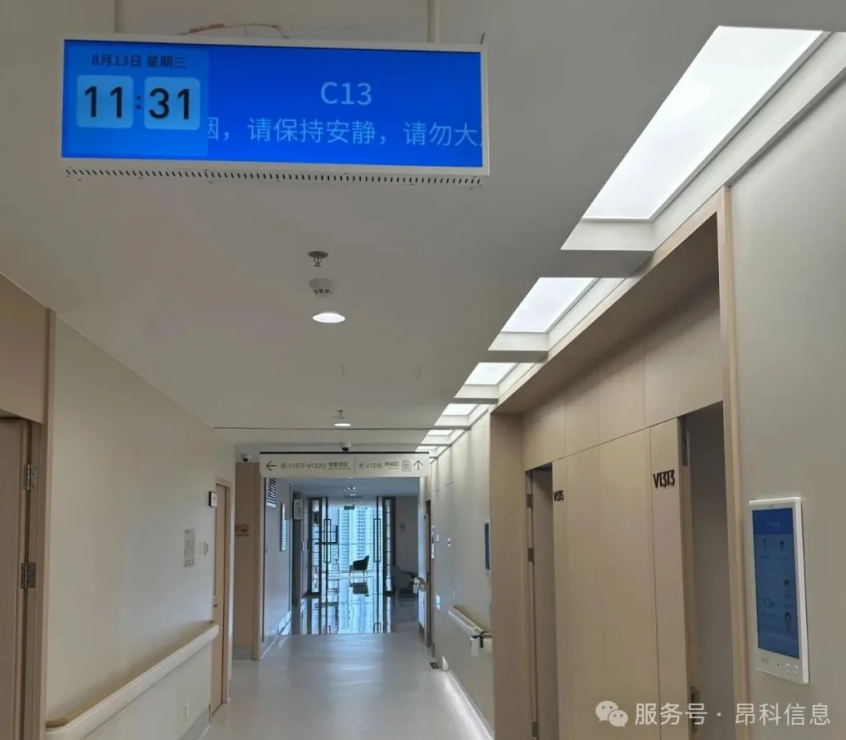
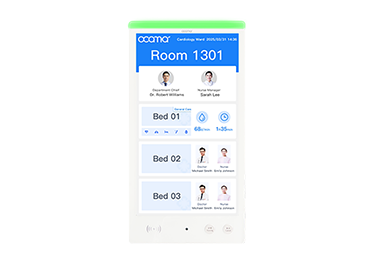
The Onke intelligent entrance screen installed at the entrance of the ward is a crucial information node connecting the inside and outside of the ward. It displays the room number, bed status and patient information in real time. The dynamic adjustments of the attending doctor and the responsible nurse can also be updated simultaneously, enabling medical staff and visitors to quickly grasp the situation of the ward.
In terms of call response, it can handle bed calls, reinforcement calls and emergency calls for the bathroom. It is accompanied by various color indicator lights to help nurses quickly determine the type and urgency of the call. The function of one-clickly indicating the location of the nurse is convenient for patients and their families to understand the movement of medical staff, reducing waiting anxiety.
More importantly, it is linked with the infusion monitoring system, which can display the patient's infusion progress and alarm for abnormal situations in real time, providing an additional layer of security for medical safety. At the same time, its appearance design supports personalized adaptation to the decoration style of the ward, taking into account both functionality and environmental harmony.
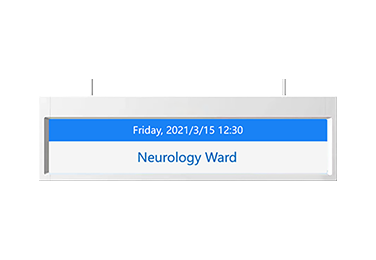
The Onke intelligent corridor screen adopts an intelligent operating system and dual LCD screens, becoming an efficient information carrier in the public areas of the ward. It disseminates various notifications and information. In terms of call linkage, when a call is initiated in the ward, the corridor screen will simultaneously display the call information, helping medical staff respond quickly during their movement. This all-encompassing information coverage model effectively enhances the efficiency of information circulation in the ward.
04) AUTUMN Thoughtful Protection: Bathroom Call System
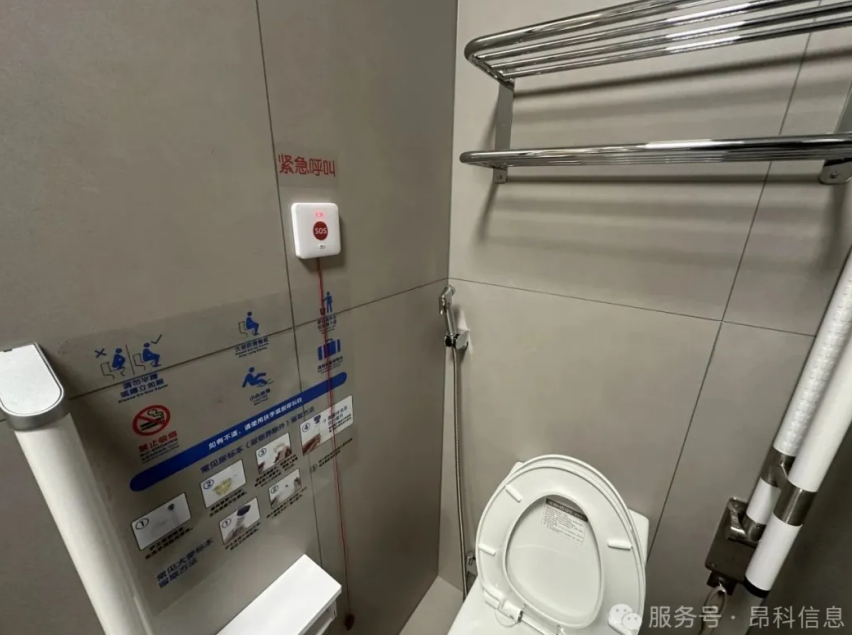
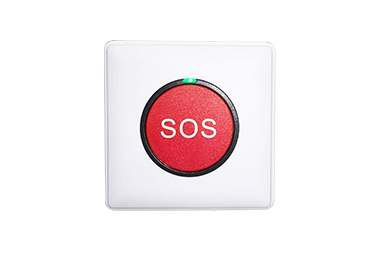
The bathroom, as a relatively independent yet potentially unsafe space within the ward area, requires a crucial emergency call system. Angko has installed call buttons in the bathroom, and the installation location has been carefully selected to ensure that patients can easily access them in case of emergency.
When a patient suddenly feels unwell or encounters an emergency in the bathroom, they only need to press the call button or pull the rope. The signal will be transmitted to the nurse station call console and the smart interactive screens in the relevant areas at a millisecond level, such as the smart entrance screen and the nurse station nursing interactive large screen.
The deployed Onko bathroom call buttons cause the nurse station call console to immediately issue a distinctive and prominent sound and light alarm. At the same time, it clearly displays the ward number and bed number of the caller, ensuring that the nurse can detect and respond promptly.
The intelligent entrance screen will also use prominent color changes and text prompts to visually display the emergency call status of the ward to the passing medical staff. This will prompt all relevant forces to quickly converge and race against time to ensure the safety of the patients. This convenient and efficient bathroom call mechanism showcases humanistic care at the most subtle level, and builds a safety barrier for every space in the patient's ward.
05) AUTUMN Precise Monitoring: Infusion Safety Assurance
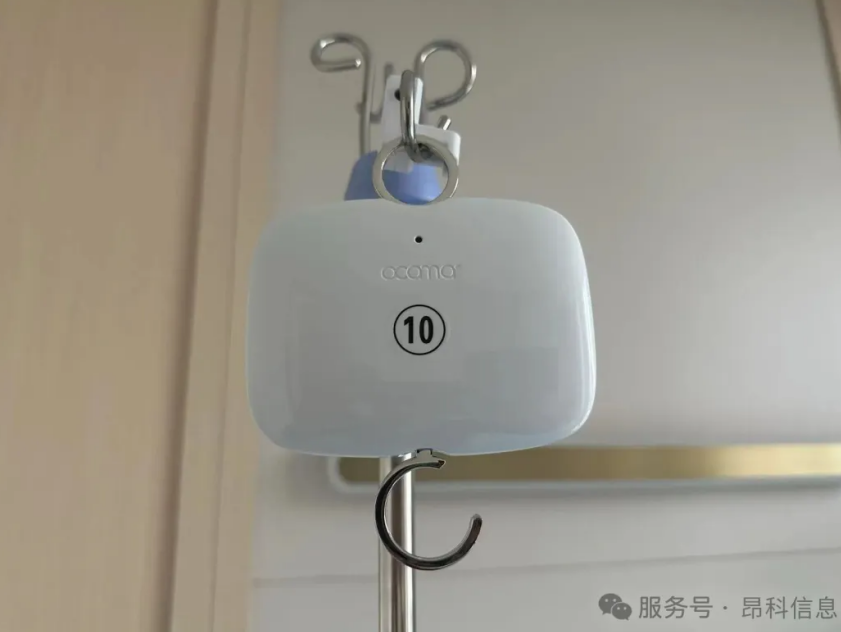
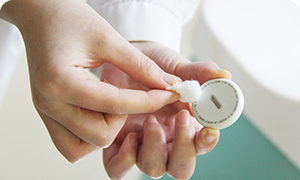
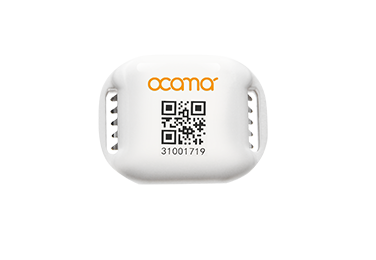
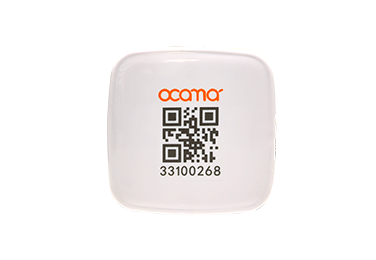
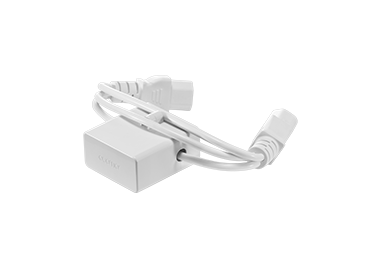
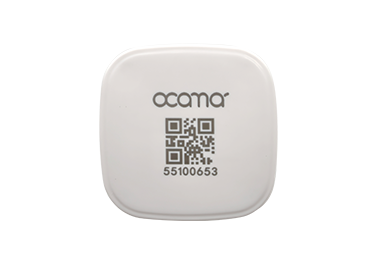
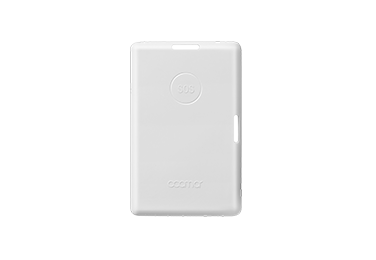
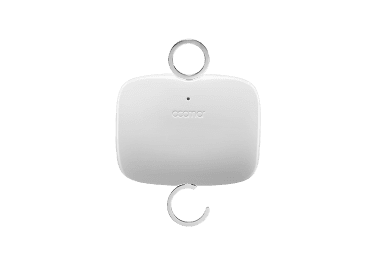
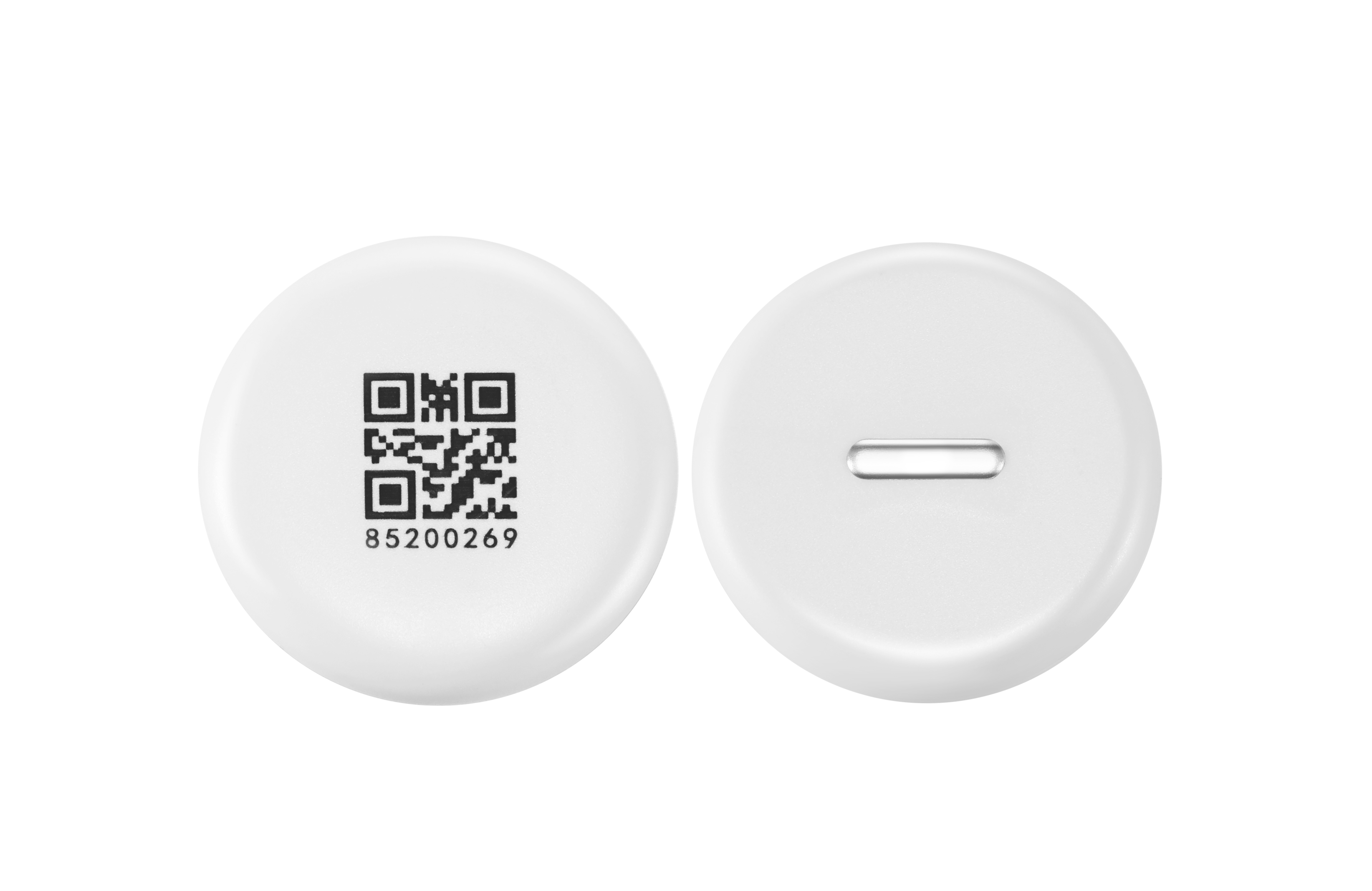
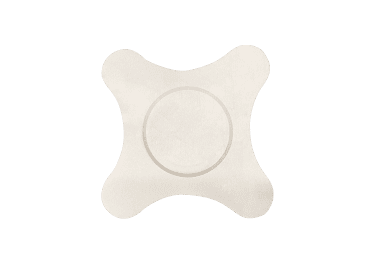
Infusion therapy is a common medical method in clinical practice, and the safety monitoring during the infusion process is of utmost importance. The introduced Onco wireless infusion monitoring system in the hospital ensures the safety of patients' infusions. This system, leveraging advanced sensor technology, is precisely installed on the infusion device, like an indefatigable "intelligent guardian", monitoring the infusion status of patients in real time and with great accuracy.
From the precise matching of infusion prescriptions, to the strict control of infusion drip rates, and to the accurate estimation of remaining infusion time, the system can have a thorough understanding of all these aspects. Once any abnormal situation occurs during the infusion process, such as deviations in drip rate due to various reasons (either too fast or too slow), blockages in the infusion tubing causing poor fluid flow, or situations where the medication is about to run out and needs to be replaced in time, the infusion monitoring system will promptly activate the alarm mechanism.
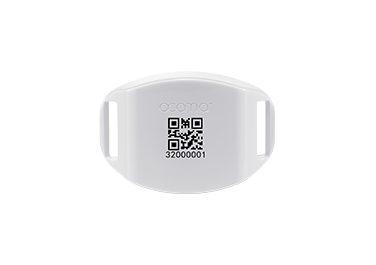
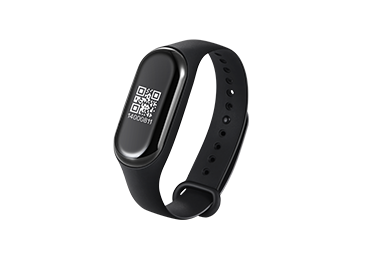
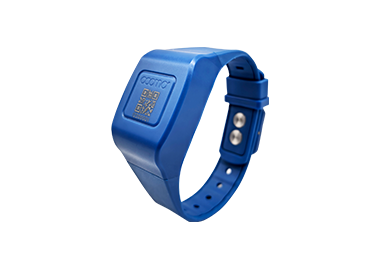
The alarm signal will be transmitted simultaneously to the nursing interaction large screen at the nurse station, the nurse station call host, the smart wristband, as well as the intelligent bedside screen and bedside display at the patient's bedside. Through this all-round and unobstructed infusion monitoring system, it significantly reduces the workload of nurses who need to frequently patrol the wards. More importantly, it effectively avoids potential safety hazards caused by human negligence during infusion, adding reliable safety guarantees to the treatment process of patients.
(06) AUTUMN Comprehensive collaboration: Building a smart healthcare ecosystem
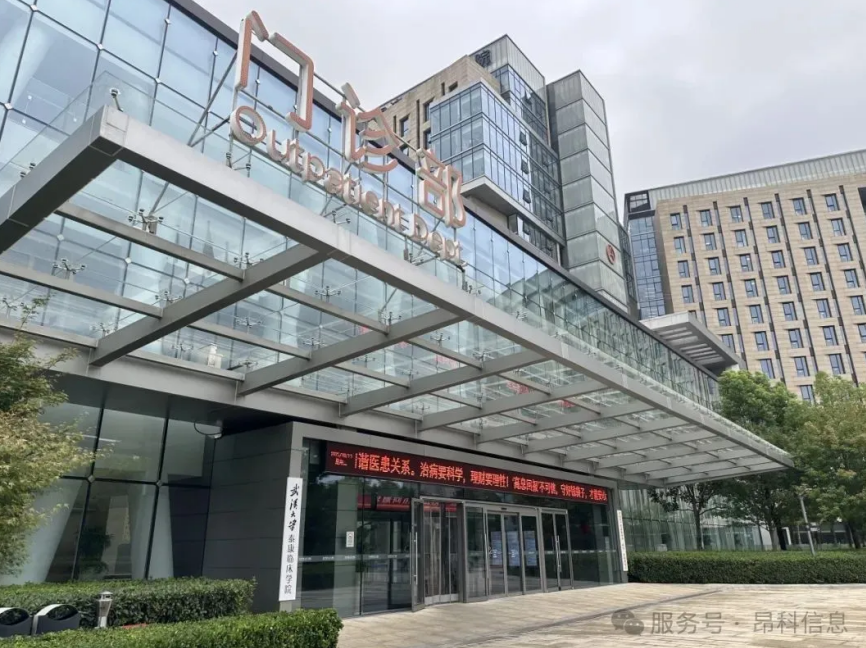
The Onkyo Smart Ward Solution introduced by Taikang Tongji (Wuhan) Hospital is not an isolated system. Instead, through data integration, interaction and sharing among various systems, it enables the intelligent nursing interactive screen, intelligent bedside screen, intelligent bedside monitor screen, and infusion monitoring system and other terminals to form an integrated whole, providing patients with continuous and efficient medical services.
From the perspective of hospital construction, these interactive screen products precisely meet the development needs of modern hospitals: Firstly, by automatically synchronizing and centrally displaying data, they optimize the nursing process, reduce the time consumed by nurses in information recording and querying, enabling them to devote more energy to patient care and improving the quality of nursing services; Secondly, through multi-dimensional information transparency and convenient interaction, they shorten the distance between doctors and patients, allowing patients to have a clearer understanding of the diagnosis and treatment process, alleviating medical anxiety and improving the overall medical experience; Thirdly, through real-time monitoring and early warning reminders, they build a more complete medical safety system, reduce potential risks, and provide a strong guarantee for the high-quality operation of the hospital.
In the future, as the "medical insurance integration and medical care and elderly care integration" model of Taikang Tongji (Wuhan) Hospital continues to advance, the Onkyo intelligent interactive screen products will continue to play the role of an information hub. Under the operation model of "strong specialty + comprehensive coverage" and "inclusive healthcare + special medical care", these intelligent terminals will constantly adapt to the new demands of the hospital in terms of discipline construction and service upgrade, helping the hospital create a more distinctive longevity medical service system, and making "a different hospital, a different experience" from concept truly transform into patients' practical feelings, injecting continuous impetus for the hospital's long-term development.



