

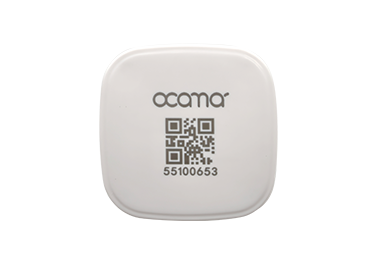
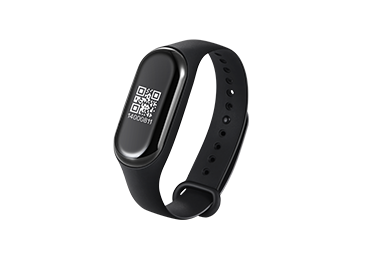
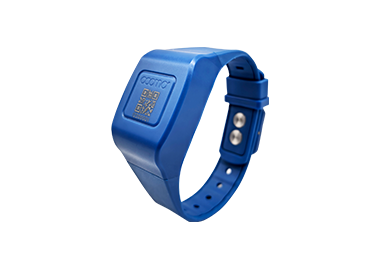
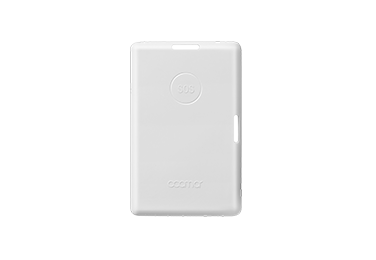
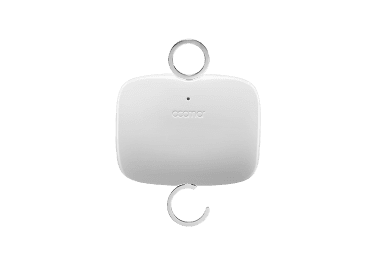
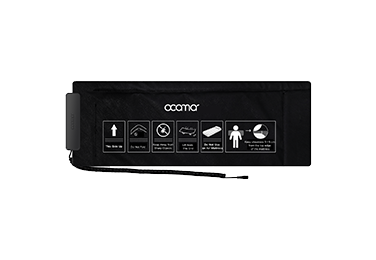
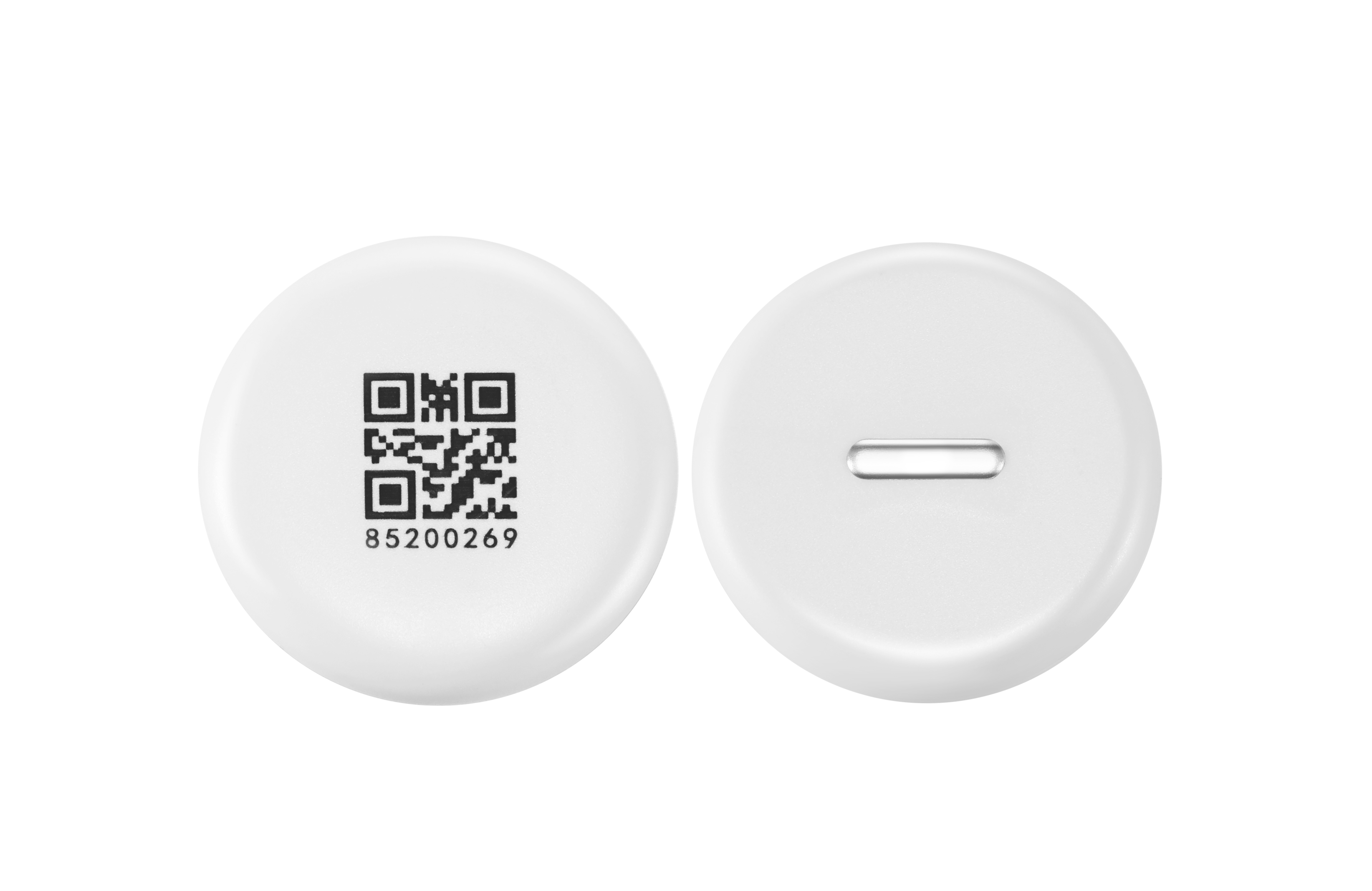

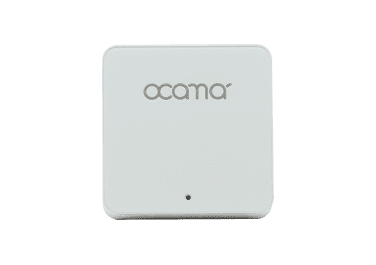
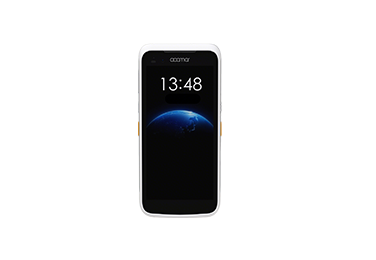
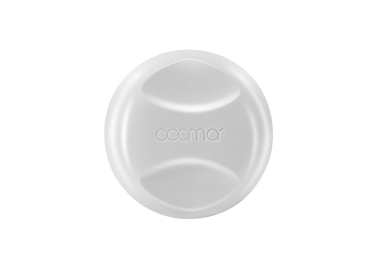
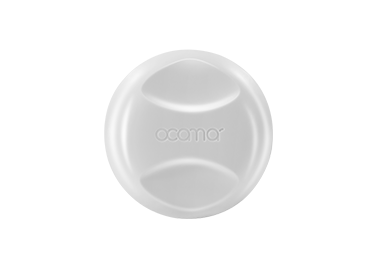
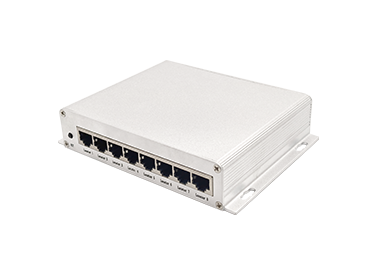
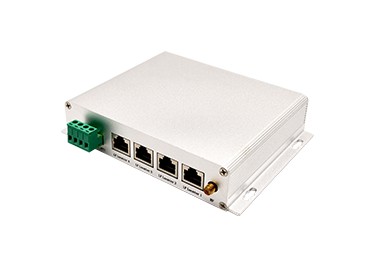
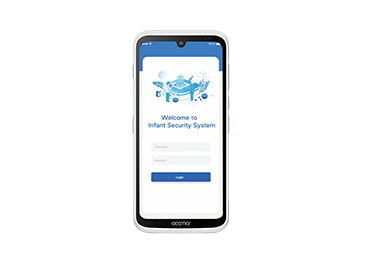
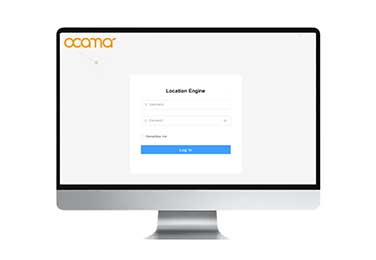
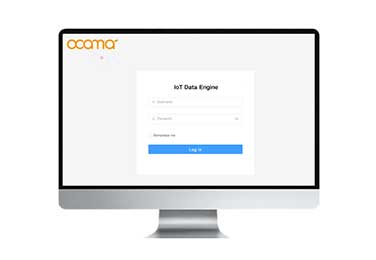


I. Product Overview
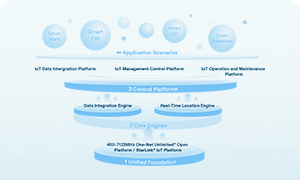
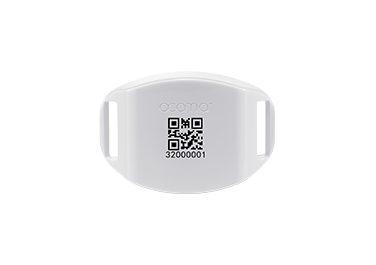
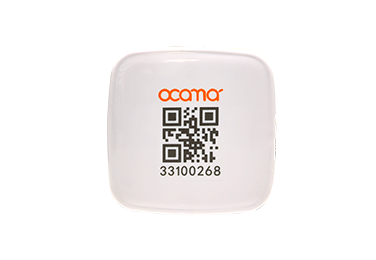
The Onco Infusion Monitoring System is based on the advanced Onco OneNet Infinity® all-network digital distribution platform. It innovatively combines Internet of Things sensing technology with wireless infusion monitors, aiming to provide a comprehensive and intelligent monitoring solution for the clinical intravenous infusion process. This ensures the safety and efficiency of infusion, significantly improving the quality of hospital nursing services.

II. Working Principle
Real-time Monitoring: Utilizing high-precision Internet of Things sensing technology, the wireless infusion monitor can precisely and real-time monitor the drip rate of intravenous infusion, capture the falling dynamics of each drop of medicine, and immediately transmit these data to the microprocessor built into the monitor.
Data Transmission: Through seamless integration with the OneNet Medical Specialized Wireless Internet of Things platform, the drip rate data, infusion remaining volume, and other key information collected by the monitor are transmitted in real time to the Internet of Things data collection engine. This engine, as the data hub, possesses powerful data processing and integration capabilities, ensuring the accuracy and stability of the data.
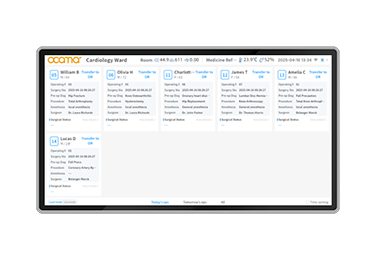
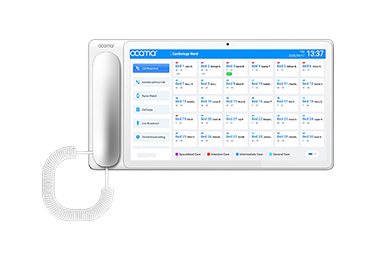
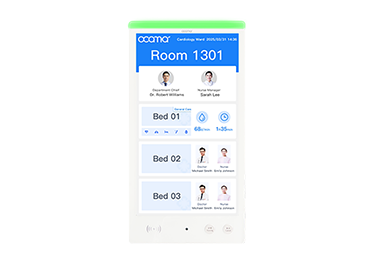
Visual Presentation: Based on the data aggregated by the collection engine, the infusion monitoring system generates an intuitive and real-time visual unified monitoring interface. This interface is not only well-organized, facilitating quick browsing by medical staff, but also can dynamically update important information such as infusion progress, drip rate changes, and estimated remaining time, allowing the nurses in the station to grasp the entire infusion situation of the ward at a glance.
III. Product Features
Compliance Certification, Safe and Reliable: The "Infusion Monitoring Equipment" has successfully obtained the second-class medical device registration certificate from the state, strictly adhering to the high standards and norms of the medical device industry. From material selection to production processes, each step is subject to strict review to ensure stable operation in long-term, high-intensity clinical use, safeguarding the safety of patient infusion.
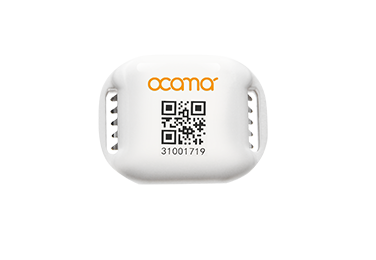
Compact Design, Convenient to Use: The equipment is small in size and flexible, with an ingenious structural design that enables it to easily adapt to various infusion scenarios, whether in regular wards or special care areas, allowing for convenient installation. It also uses AA dry batteries for power supply, requiring no charging, and can last for more than one year with a single battery replacement, significantly reducing the interference to the nurses' daily workflow and allowing them to focus more on patient care.
Zero Interference Process, Efficient Collaboration: The entire monitoring system was designed with clinical operational requirements in mind, seamlessly integrating with the existing infusion process, achieving "zero interference" with the nurses' operation procedures. When nurses perform normal punctures, changes in dressings, etc., they do not need to operate the monitoring equipment, ensuring smooth operation without obstacles and reducing additional workload.
Precise Configuration, Uninterrupted Management: The infusion monitoring equipment is precisely configured at a 1:1 ratio per bed, and the monitor can be directly fixed or locked onto the infusion rod, effectively avoiding the risk of equipment loss and reducing the responsibility of nurses for storage, allowing nurses to fully devote themselves to patient care without worries.
System Integration, Intelligent Interconnection: It supports deep integration with existing hospital core systems such as HIS and mobile nursing, automatically obtaining medication information such as drug names, dosages, and infusion speed requirements, achieving information interconnection. This not only avoids potential errors from manual entry but also ensures the close integration of the infusion monitoring system with clinical diagnosis and treatment processes, increasing nurses' compliance with the system.
IV. Technical Advantages
Long-lasting Power Supply, Stable and Lasting: The unique AA dry battery design of the infusion monitor has significant advantages over traditional charging devices. It does not require frequent charging, with battery endurance lasting for more than one year, effectively reducing equipment maintenance costs and avoiding the impact on nurses' daily work due to inconvenient charging or insufficient battery power, ensuring the monitoring system remains ready at all times.
Process Optimization, Convenient and Efficient: Achieving "zero interference" with the nurses' existing operation procedures, seamlessly integrating into daily care work. Nurses do not need to change their familiar work procedures to easily learn to use this monitoring system, truly simplifying complex processes and not adding additional burdens, improving work efficiency. Precise configuration, reduced risks: The infusion monitor configured at a 1:1 ratio per bed not only facilitates management but also is securely installed on the infusion pole through reliable fixation or locking mechanisms, effectively preventing equipment loss, misuse, and other incidents. This reduces the additional work for nurses due to poor equipment management and enables nurses to focus on professional nursing services.
Deep integration, intelligent collaboration: The close integration with systems such as HIS and mobile nursing ensures automatic synchronization of medical orders. When nurses execute medical orders, the system automatically retrieves relevant medication information and feeds it back to the infusion monitoring system, eliminating the errors caused by manual intervention and ensuring precise matching between infusion monitoring and clinical medication. This enhances nurses' trust and willingness to use the system.
Intelligent algorithms, precise alerts: Through deep integration with the mobile nursing system and the intelligent algorithms built into the infusion monitoring system, it can accurately determine the end time of the infusion. This algorithm fully considers actual factors such as differences in the weight of the drug packaging materials and fluctuations in infusion speed, effectively avoiding the impact of different weights of drug packaging materials on the end-of-infusion alert, ensuring the accuracy and timeliness of the alert information and providing reliable decision-making basis for nurses.
Real-time communication, proactive service: With the connection of the mobile nursing system, various event information during the infusion process, such as abnormal drip rate, infusion blockage, and about to end, can be sent to the PDA of the responsible nurse immediately. Nurses no longer need to frequently travel between the ward and the nurse station to check the infusion status. They can receive critical information on their mobile devices anytime and anywhere, respond quickly, and proactively provide services for patients, which not only improves patient satisfaction but also enhances the management level of medical quality.
V. Usage Process
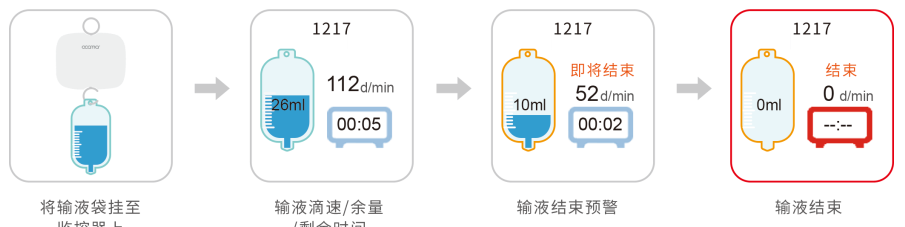
Equipment Installation and Initialization:
Before the ward is put into use, the wireless infusion monitor will be installed on the infusion pole in a 1:1 ratio corresponding to each bed, and safety locks will be installed. The equipment will automatically connect to the OneNet® All-Connected Network Digital Distribution Platform. It will establish a connection with the nurse station monitoring large screen or computer terminal equipment or the nursing system through the data terminal.
System startup and information entry:
The software automatically connects with the hospital's HIS system to achieve automatic entry of patient information and medical order information, including the patient's name, bed number, name of the administered medication, dosage, and infusion speed requirements, etc. At this time, the monitoring interface will clearly display the corresponding bed information for the infusion in the entire ward, and the initial data such as the remaining infusion volume and drip rate for each bed are all clearly visible.
Infusion process monitoring:
After the nurse performs the venous puncture on the patient and starts the infusion, the wireless infusion monitor immediately enters the working state, continuously monitoring the drip rate and transmitting the data to the nurse station computer terminal and the mobile nursing system. The monitoring interface dynamically updates key data such as the remaining infusion volume, drip rate, remaining time, and infusion blockage, and prioritizes the display of the upcoming infusion process. It promptly alerts the nurse to perform needle removal or drug replacement in a prominent manner.
Mobile collaborative care:
When nurses use mobile nursing PDAs to conduct daily inspections and confirm the execution of medical orders, they can immediately view the infusion status of the patient's ward. In case of any abnormal events during the infusion process, such as an excessively fast or slow drip rate, or when the infusion is about to end, the PDA will immediately receive an alert message from the system. The nurse can then proceed to the corresponding bed for handling at the earliest possible time, achieving mobile and efficient nursing services within the ward.
End of infusion treatment:
When the infusion monitoring system detects the end of the infusion or when the nurse completes the needle removal and dressing change operation based on the alarm prompt, the system automatically records the relevant data of this infusion, including the actual infusion time, infusion volume, and whether there are any abnormal situations, providing detailed information for subsequent medical data analysis. At the same time, the equipment automatically enters the standby state and waits for the next infusion task to be initiated.
VI. System software functions Information comprehensive display:
The wireless infusion management software installed on the computer terminal of the nurse station serves as the core control platform of the entire infusion monitoring system, providing comprehensive and detailed display functions of the infusion information in the ward. It not only can present the basic data such as the patient information corresponding to each bed, the remaining infusion volume, drip rate, and remaining time in real time, but also can intuitively reflect the infusion status through prominent icons and color changes, such as normal infusion, abnormal drip rate, infusion blockage, and about to end, allowing medical staff to grasp the key information at the first time.
Intelligent sorting and reminder:
The system has an intelligent sorting function, which dynamically ranks the infusion progress of each bed based on factors such as the remaining infusion time and urgency. It prioritizes the display of the upcoming completed infusion processes, ensuring that nurses can promptly notice the urgent infusion tasks that require immediate attention.
Additionally, the system supports multiple reminder methods, including pop-up notifications and sound alerts, to prevent nurses from missing critical operation steps such as needle removal and dressing change due to being busy.
System integration and data interaction:
The software design is highly open, enabling seamless integration with hospital HIS, mobile nursing and other systems. It automatically synchronizes key data such as patient information and medication orders, reducing the workload of manual data entry and lowering the risk of data errors. At the same time, through data interaction interfaces, real-time data and alarm information generated during infusion monitoring can be fed back to other related systems, achieving information circulation and sharing throughout the hospital and providing strong support for medical quality management.
Multi-screen display and personalized settings:
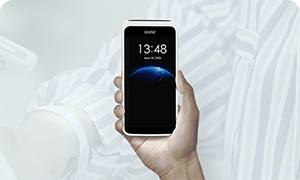
Support for multi-screen display on large screens, computer terminals, and handheld PDAs. Nurses can flexibly switch between different mobile terminals to view the infusion status of different wards and beds according to their own work needs, achieving precise nursing monitoring anytime and anywhere. In addition, the system also provides rich personalized setting functions, such as adjusting the preset time for infusion completion, setting the alarm volume and frequency, and customizing the layout of the monitoring interface, to meet the personalized usage needs of different hospitals and departments.
VII. Clinical application value
Ensuring infusion safety:
Through real-time and precise drip rate monitoring and abnormal alarm, problems such as excessive or insufficient drip rate or blockage during the infusion process can be detected and handled in time, effectively avoiding medical accidents caused by improper infusion, such as aggravated adverse drug reactions and phlebitis, and truly ensuring the safety of patient infusion.
Improving nursing efficiency:
Reduce the frequency of manual inspections by nurses during intravenous infusion. By using the system for automatic reminders and real-time push notifications on mobile devices, nurses can allocate more time to professional nursing services for patients, such as observing the patient's condition and providing health education. At the same time, the deep integration with the existing medical system avoids the cumbersome tasks of repetitive information entry and verification, thereby overall enhancing the efficiency of nursing work.
Optimizing patient experience:
Nurses can accurately predict the end time of the infusion and proactively provide services such as dressing changes and needle removal for patients, reducing the waiting time for patients and avoiding discomfort and anxiety for patients caused by negligence during the infusion process. This proactive and considerate service model helps to enhance patients' satisfaction with hospital nursing services and strengthen doctor-patient trust.
Supporting Medical Management:
The system automatically records all data during the infusion process, providing detailed and accurate data support for hospital medical quality management. Through the analysis of these data, hospital managers can gain a comprehensive understanding of the infusion situation in each department, identify potential problems, optimize the infusion process, and formulate more reasonable personnel allocation and resource allocation plans, thereby promoting the overall improvement of hospital medical service quality.
VIII. Future Outlook
With the continuous development of cutting-edge technologies such as the Internet of Things and artificial intelligence, the Angke Infusion Monitoring System will continue to be upgraded and improved. On one hand, it will further deepen the integration with emerging technologies such as medical big data and artificial intelligence diagnosis, achieving advanced functions such as disease prediction based on infusion data and drug efficacy evaluation, providing more valuable decision-making basis for clinical diagnosis and treatment; on the other hand, it will expand the application scenarios of the system, gradually extending from ordinary hospital wards to emergency departments, operating rooms, intensive care units, etc., building a comprehensive and multi-level medical AI ecosystem, and helping the smart medical cause reach new heights.



